On a Friday sign to Parlophone and become Radiohead
A tape handed over the counter of an Oxford record shop has brought nearly every major label to the Jericho Tavern, and ended with a new name.
News archive
Radiohead in 1992, written up from the press of the day.
| jan | feb | mar | apr | may | jun | jul | aug | sep | oct | nov | dec |
|---|---|---|---|---|---|---|---|---|---|---|---|
A tape handed over the counter of an Oxford record shop has brought nearly every major label to the Jericho Tavern, and ended with a new name.
Radiohead's first record is in the shops, and they are already working on new tracks with Sean Slade and Paul Q. Kolderie.
The new name is aimed at radio itself, though radio play of the right kind is still what the band want.
In a short NME interview, Thom Yorke explains why he wants the anger in the songs channelled, and not used to set the crowd fighting.
On the Drill tour, Melody Maker's reviewer finds an awkward band still learning their trade, and likes them for it.
Sent to review Levitation and the Cardiacs, NME's Andrew Collins came away saying he can see Radiohead taking off.
Seven weeks after their debut EP, Drill, Radiohead get four songs on the national pop station.
Days before the new single is in the shops, Melody Maker's reviewer says “Creep” alone justified the whole evening.
The band's first run of dates behind the new single is a month on the road as a support act, with a string of university and polytechnic nights.
The title track wins both weekly papers over, while Melody Maker frets about the other side and NME about a missing swear word.
After a run supporting The Frank & Walters, the band take their own show round Britain, from Stoke to Glasgow and home to Oxford.
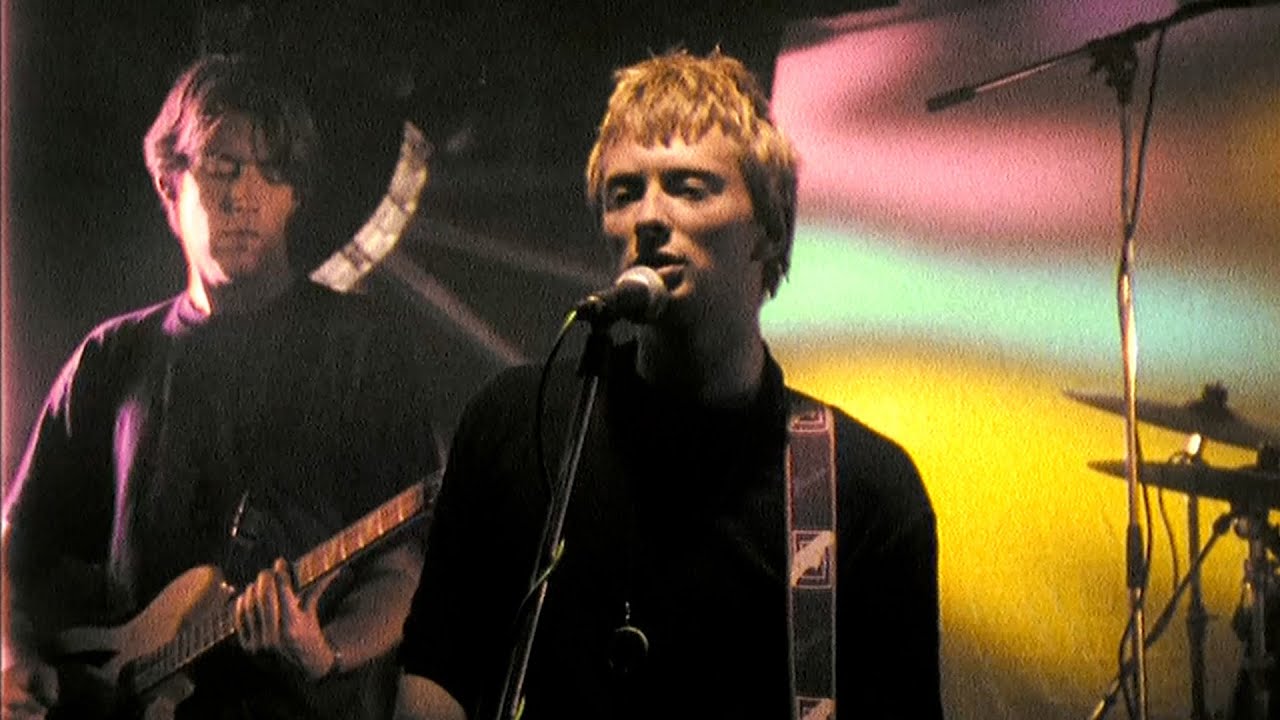
The new single goes to radio with one word of the chorus changed, and Yorke explains why that was the least bad choice.
The dates announced in October change from the end of the month on, and fans' tapes from November catch the nine-song set.
Cameron finds Thom Yorke the one thing worth watching, and the band far too polite to be the angry young men they are said to be.
sent, thank you
If you left an address, I’ll get back to you when I can.