OK Computer is finished, Radiohead tell their fan club
The thirteenth W.A.S.T.E. brings the dates for the album and its first single, and a summer of shows to follow.
News archive
Radiohead in 1997, written up from the press of the day.
| jan | feb | mar | apr | may | jun | jul | aug | sep | oct | nov | dec |
|---|---|---|---|---|---|---|---|---|---|---|---|
The thirteenth W.A.S.T.E. brings the dates for the album and its first single, and a summer of shows to follow.
A month before the album is out, Colin Greenwood worries that it may lose some of the people who loved The Bends.
A song of almost seven minutes has given Radiohead their best British chart placing, with OK Computer still a fortnight away.
Much of the new album was played live for the first time, to local fans and a planeload of European press flown in by EMI.
The paper gives the album an interview and a review on the same pages, three days before release, and the review puts it above The Bends.
Capitol did not expect American radio to play a six-and-a-half-minute lead track with no chorus, so it went to MTV and college radio first.
![A still from the video: Radiohead - 1997-06-21 - RDS Showgrounds, Dublin - [Deshaked/Tweaks/50fps]](/assets/video/HMC9VzjKBhk.jpg)
Teenage Fanclub and Massive Attack came first on a grey Dublin evening, and the weather let up just long enough for the headliners.
Neither Pablo Honey nor The Bends got that far; the third album does it in its first week in the shops.
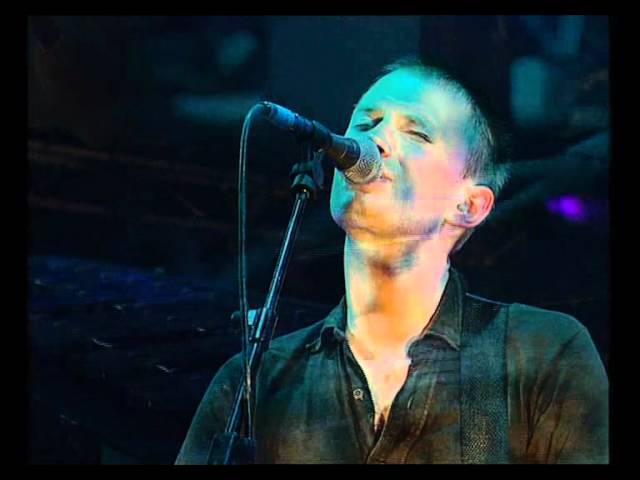
Forty thousand people stood in the mud for 90 minutes, and the festival's own daily paper reckoned Radiohead were ready for stadiums.
Over two issues a week apart, NME's Stuart Bailie follows the band from a Belfast awards night to New York and hears how the album was made.
All five members talk to Select about OK Computer, and not one of them tries very hard to sell it.
DJ Shadow, whom Colin Greenwood names among the inspirations for “Paranoid Android”, is to have Yorke in the studio with nothing planned in advance.
Two of the band try to explain to American readers, who mostly still know them for “Creep”, what OK Computer is and why radio may not take to it.
Michael Stipe, who talked Yorke through the album's making, was in the crowd on the first American night of the tour.
The band's own account, written for the album's American press kit, places the songs in the rooms where they were recorded, down to the hour.
Nearly every critic is won over by the record; what they argue about is how many parts “Paranoid Android” has.
Each of the five sends the fan club a letter from the road, still taking in how OK Computer has been received.
The Chicago Tribune's reviewer hears OK Computer confirm Radiohead as a major new voice in 1990s rock.
The guitars rarely crash in on OK Computer, and that began in rehearsal, when the band chose to build their climaxes from rhythm and melody instead of noise.
Yorke and Jonny Greenwood go through OK Computer for Launch, from the landfill sites behind “No Surprises” to tape loops made the Bee Gees' way.
A student paper gets short answers from two of the band on the day of their Ottawa show, and one good comparison with the Smiths.
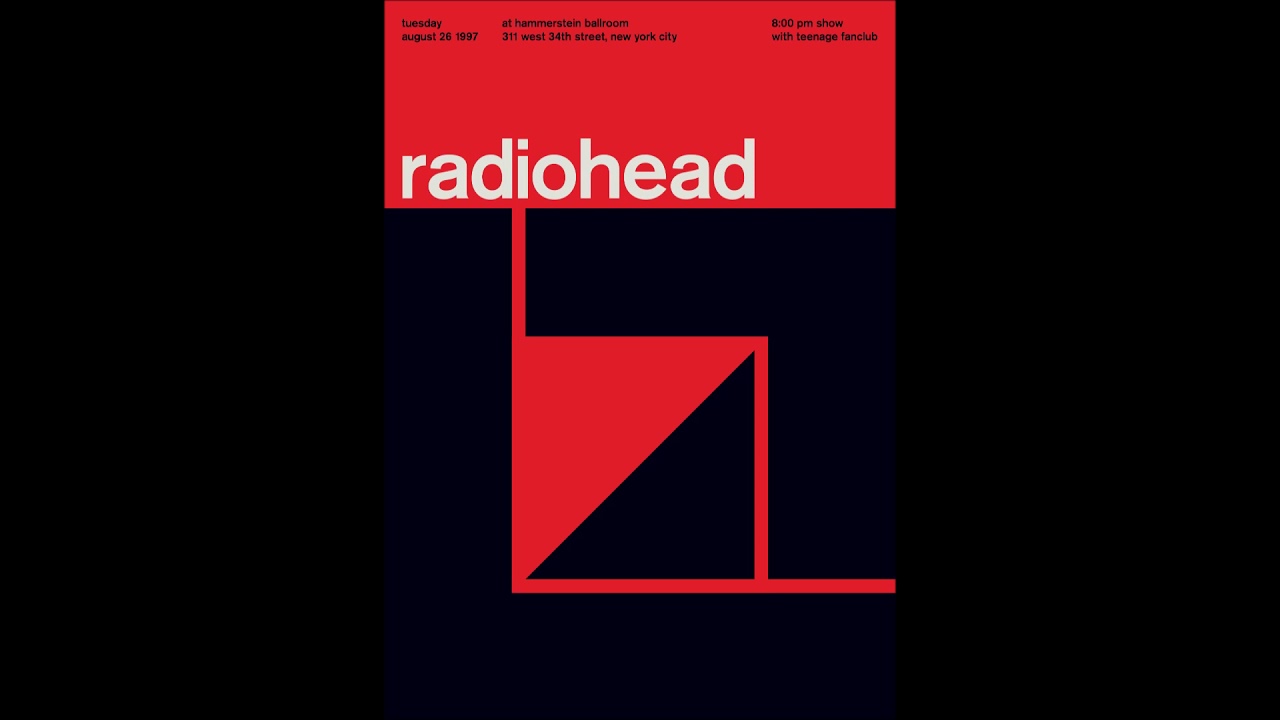
The New York Times critic finds a quiet, slow-moving set and a full house in New York that answered it loudly.
The judges called Radiohead's album a classic, then gave the £25,000 prize to a 16-1 outsider from Bristol.
A song Radiohead often skip these days came back for the two Boston men who recorded Pablo Honey, in a set otherwise built on the last two albums.
The second single from OK Computer gives fans two songs that are not on the album, and two takes on one that is.
Mojo weighs the American campaign for OK Computer, which is sliding down the chart while US radio makes up its mind about “Let Down”.
A thank-you night for the fan club brings out “Maquiladora”, “Lurgee” and an early, longer “Motion Picture Soundtrack” with Thom Yorke alone.
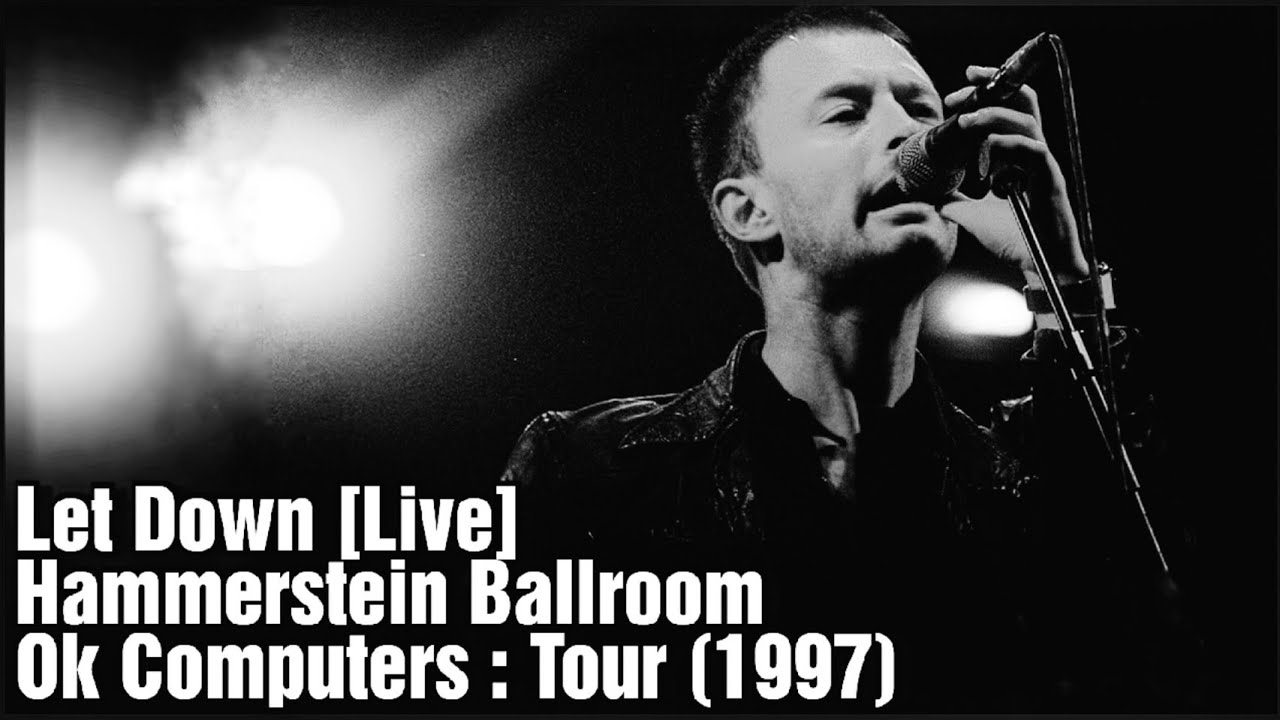
Capitol's radio department owns up to trimming the OK Computer track, and says programmers could have done it anyway.
The Herald's reviewer finds in Thom Yorke a rock star an audience can trust, on a night that runs to 22 songs and three encores.
EMI has its acts cover older songs for the company's hundredth year, and the double CD has a guest vocal from Yorke on its second disc.
NME's Stephen Dalton finds the night polished and brave by turns, and a little short of fire.
Yorke, who has kept away from the British press since OK Computer came out, calls the album a record about feeling powerless.
Matt Hendrickson's feature finds a band filling halls across America with a record that ignores the advice to make The Bends again.
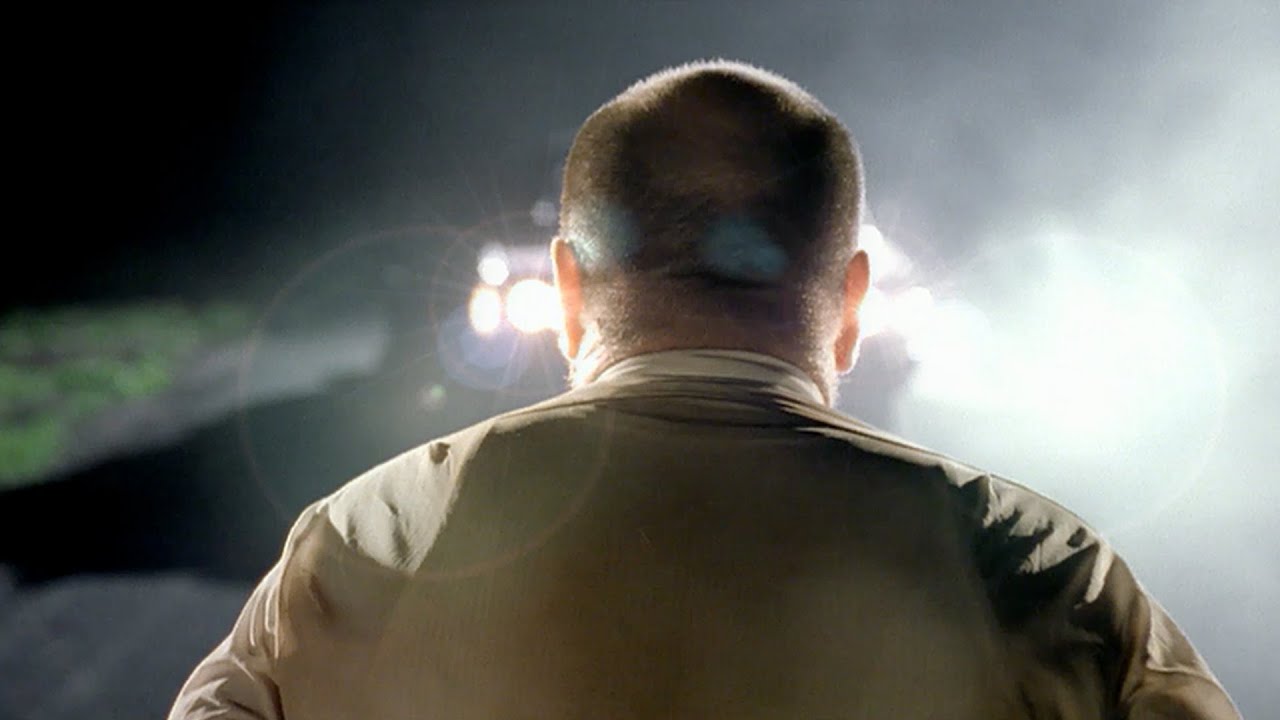
No Radiohead release has sold more, and much of the credit goes to the “Karma Police” video on MTV.
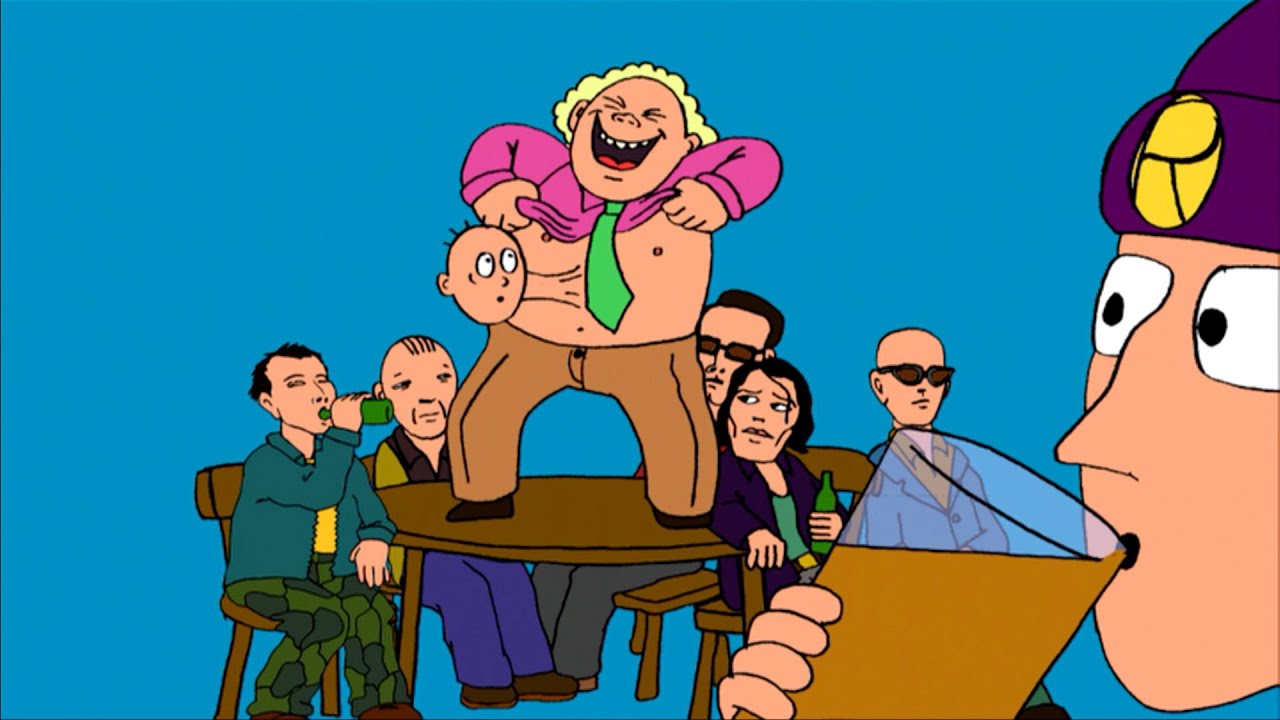
For Ken Richardson, the album as a single work you get lost in is alive in Radiohead's hands, and the drummer is the reason it holds.
On the tour bus in Strasbourg, Yorke goes back over the year of playing “Creep” across America and the sessions he thought might end the band.
Six weeks of OK Computer in Europe kept to much the same set every night, and most of the rarities turned up in the encores.
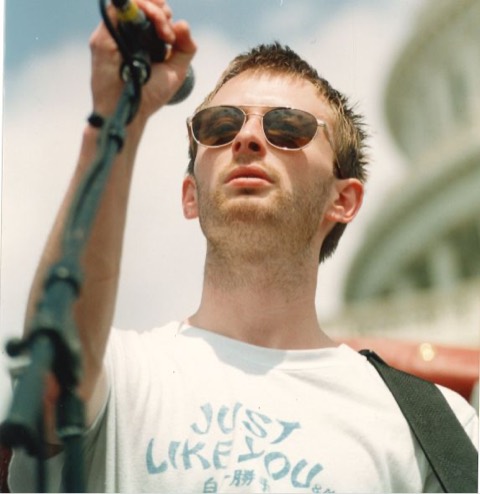
At the only Wembley Arena date of the OK Computer tour, Yorke rushed the crowd into “Creep” and then led their singing himself.
Months into the OK Computer tour, the record after it is already taking shape between shows, and Ed O'Brien promises it will not settle into a house sound.
The band's man at the label explains why Capitol has built them slowly, and why Britain pays for the videos.
![A still from the video: [DVD] Radiohead - Hammerstein Ballroom/10 Spot 1997 [Full Concert]](/assets/video/mA1tiOrv4Rc.jpg)
American viewers watch the band play the new album live, alongside most of The Bends, in front of a New York crowd.
Looking back over the year, Yorke shrugs at OK Computer missing the American Top 20 and wishes more people got the jokes.
The fourth Radiohead World Service follows the new songs through the year's gig reports, from Paris in the spring to Manchester in July.
sent, thank you
If you left an address, I’ll get back to you when I can.